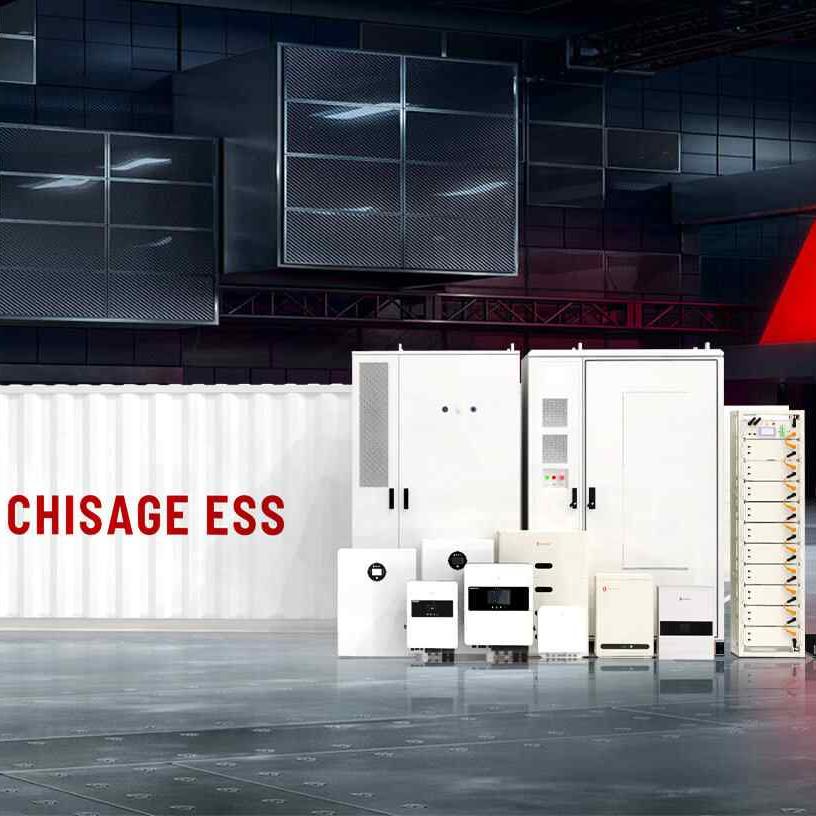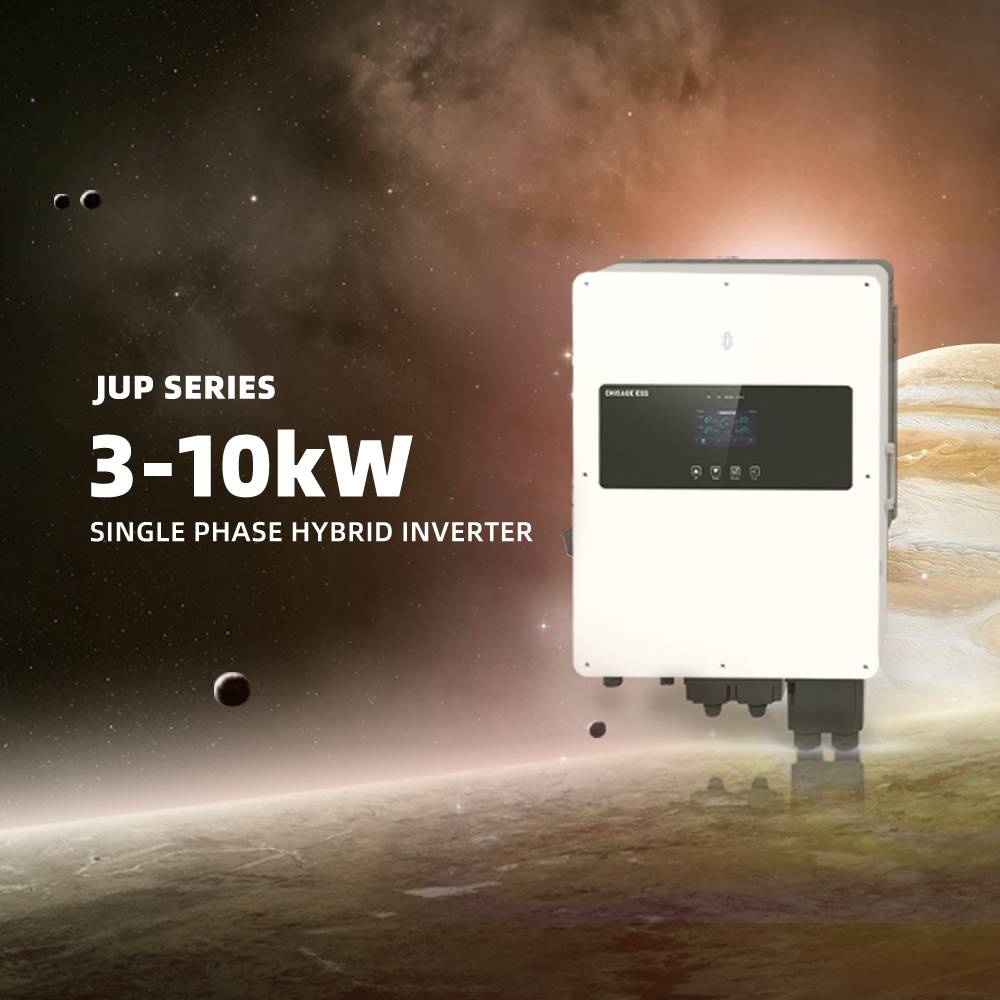
تُعدّ العواكس عنصرًا أساسيًا في صناعة توليد الطاقة الكهروضوئية وتخزين الطاقة، وهي صناعة تعتمد على التكنولوجيا بشكل كبير. يعتمد إنتاج عاكس عالي الجودة على الممارسة الطويلة والبحث والتراكم التكنولوجي للشركات في تصميم المنتجات وعمليات التصنيع واختيار المكونات. يتساءل العديد من مُحبي CHISAGE ESS عن كيفية تصنيع عواكسهم. اليوم، دعونا نُلقي نظرة فاحصة ونتعمق في خط إنتاج عواكس CHISAGE ESS، برفقة مُحررنا.
نظرة عامة على خط الإنتاج
في مايو 2023، أقامت شركة CHISAGE ESS حفل تدشين خط إنتاجها لأجهزة العاكسات الكهربائية، إيذانًا بإطلاقه رسميًا. يمتد خط الإنتاج حاليًا على مساحة تزيد عن 10,000 متر مربع، ويستطيع إنتاج أكثر من 3,000 جهاز عاكس شهريًا، ما يجعله قادرًا على الإنتاج والتسليم بكميات كبيرة. وفي المرحلة التالية، سيتم إدخال خطي إنتاج جديدين تدريجيًا لضمان تلبية طاقتنا الإنتاجية لمتطلبات السوق.
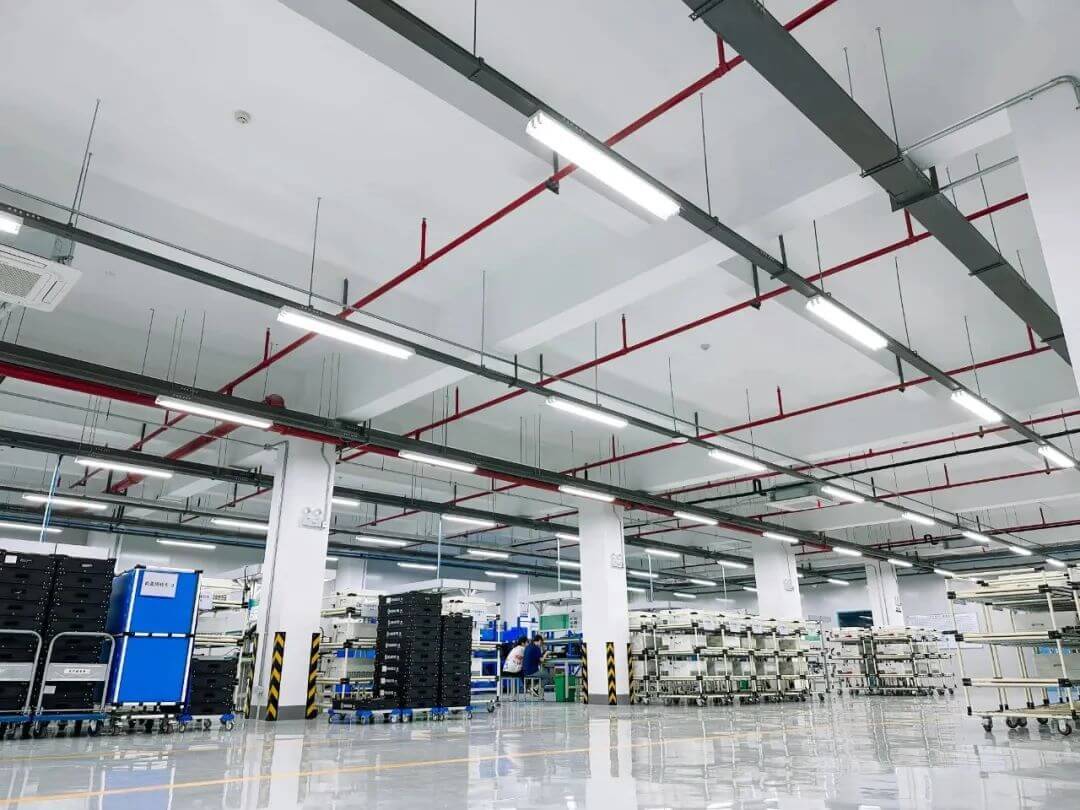
بمجرد أن نلتفت، تظهر أمامنا البوابة الغامضة لمصنع محولات CHISAGE ESS. نصعد المصعد، ويستقبلنا موظف استقبال ودود ويقودنا إلى منطقة خط الإنتاج. نمر بستة عشر قسمًا، تشمل مستودع لوحات الدوائر المطبوعة والإلكترونيات، وورشة التجميع، ومنطقة الاختبار، ومنطقة اختبار التقادم، ومستودع المنتجات النهائية، وورشة التغليف، ومكتب البحث والتطوير، وغرفة صيانة المعدات. هذه المساحة الفسيحة والمشرقة، إلى جانب تصميمها النظيف والمرتب، هي ثمرة نظام إدارة 8S المتبع في مصنع المحولات، والذي يجسد الكفاءة والجمال والاستدامة.

خلال مرحلة تصميم خط الإنتاج الأولي، أجرينا بحثًا معمقًا واكتسبنا فهمًا دقيقًا لمسارات ومخططات تصميم خطوط إنتاج العاكسات النموذجية في هذا القطاع. بدءًا من التخطيط والتصميم العامين، مرورًا بتصميم سير العمل للأفراد والمواد والمعدات، وصولًا إلى اختيار خط الإنتاج والمعدات والاختبارات، قمنا بمقارنة أفضل الممارسات في هذا المجال، مما ساهم بفعالية في تجنب المشكلات المحتملة التي قد تظهر في شركات مماثلة.

تحافظ ورشة العمل على بيئة ذات درجة حرارة ورطوبة ثابتتين لضمان سلامة وموثوقية مختلف المكونات الدقيقة. كما تم تجهيز كل عملية إنتاج بمعدات متطورة، وينفذ الموظفون أعمال الإنتاج تحت رقابة صارمة على الجودة. تخضع كل مرحلة لصيانة دقيقة وفحص دقيق لضمان الجودة العالية لمنتجات العاكس.

تدفق العملية
تتألف عملية إنتاج عاكسات CHISAGE ESS بشكل أساسي من أربعة أقسام رئيسية: التجميع السطحي (SMT)، والتجميع في التغليف المزدوج (DIP)، واختبار التجميع، والتغليف. سنركز في هذا المقال على عملية اختبار التجميع والتغليف، والتي يمكن تقسيمها إلى عدة مراحل: المعالجة المسبقة، والتجميع، واختبار تحمل جهد العزل، واختبار TI، واختبار التقادم، واختبار T2، واختبار مطابقة معايير السلامة، واختبار التسرب، والتغليف، والتخزين على منصات نقالة.
01 المعالجة المسبقة:
تتضمن هذه العملية بشكل أساسي تشكيل ترانزستورات IGBT ولحام موصلاتها المختلفة، وهما عمليتان رئيسيتان. يجب التحكم بدقة في زاوية ضغط تشكيل ترانزستورات IGBT بحيث تكون 90 ± 3 درجة لضمان دقة نقطة التوصيل وإتمام الفحص بنسبة 100%. كما يجب أن يكون لحام ترانزستورات IGBT كاملاً، خالياً من أي تسريبات أو لحامات خاطئة أو فارغة أو غير مكتملة، بالإضافة إلى فحص شامل بعد اللحام.

02 التجميع:
يتضمن ذلك بشكل أساسي تجميع وترتيب الأجزاء الوظيفية الرئيسية داخل العاكس، بما في ذلك إصدار مصدر الطاقة عالي الجهد، وشريط الطاقة منخفض الجهد، ولوحة المحول، ولوحة المكثف، ولوحة التحكم الرئيسية، وما إلى ذلك. يتخذ العاكس المجمع شكله، مما يتيح تشغيل الوظائف الأساسية.

03 اختبار العزل وتحمل الجهد:
قم بتوصيل العاكس بمستوى جهد معين لفترة من الوقت للتحقق مما إذا كان عزل العاكس وقدرته على تحمل الجهد متوافقين مع اللوائح لتجنب خطر الصدمة الكهربائية.

اختبار 04 TI:
نختبر الأداء العام للعكس ونُعاير مجموعة من المعايير القياسية. شركتنا مُجهزة بأربع مجموعات من معدات اختبار TI، قادرة على إجراء اختبار واحد للعكس كل 15 دقيقة. سألتُ مدير الإنتاج وعلمتُ أن معايير الاختبار لدينا مُتوافقة مع السوق الأوروبية. أعتقد أن هذا أحد أسباب اكتساب CHISAGE ESS، كعلامة تجارية جديدة، ثقة معظم المستخدمين بسرعة.

05 اختبار الشيخوخة:
تُعدّ محاكاة تشغيل العاكس في ظروف قاسية، كدرجات الحرارة المرتفعة والمنخفضة للغاية، خطوةً أساسيةً في اختبار العاكسات، وذلك لضمان جودة المنتج وموثوقيته، وتوفير أساسٍ لصيانة العاكسات اللاحقة. تمتلك شركتنا حاليًا ثماني مجموعات من المعدات القديمة، يمكن توصيل كل منها باثني عشر عاكسًا في آنٍ واحد، مما يسمح باختبار ستة وتسعين عاكسًا في وقتٍ واحد.
علاوة على ذلك، حسب فهمي، يبلغ وقت اختبار الأداء للمنتجات القياسية في هذا القطاع ساعتين. وبصفتنا علامة تجارية جديدة، فإننا نُحكم السيطرة على عملية اختبار الأداء، ويبلغ وقت اختبار الأداء لكل جهاز حاليًا 48 ساعة. وسنعمل على تقليل وقت اختبار الأداء تدريجيًا بناءً على ملاحظات السوق. مع ذلك، فإن تحسين الأداء لا يعني التنازل عن الجودة. فنحن نواصل إجراء اختبارات معيارية وفقًا لأعلى معايير الصناعة لضمان استخدام المستخدمين لكل جهاز عاكس براحة بال تامة.

06 اختبار T2:
قد تطرأ تغييرات طفيفة على الأداء الداخلي للعكس بعد عملية التقادم. يُجرى اختبار T2 لضمان سلامة المنتج واستقراره. تمتلك شركتنا أربعة أجهزة اختبار T2، حيث يُجرى اختبار كل عاكس كل 15 دقيقة.

7- اختبار الامتثال الأمني:
يشمل ذلك اختبار السلامة الكهربائية، وسلامة المواد، والتوافق الكهرومغناطيسي، والسلامة البيئية، وجوانب أخرى حسب متطلبات الدول والمناطق المختلفة. ويضمن ذلك امتثال العاكس لأنظمة ومعايير السلامة ذات الصلة، وعدم تسببه في أي ضرر أو خطر على المستخدمين أو البيئة أو الأجهزة الأخرى في ظل ظروف التشغيل العادية.

08 اختبار التسريب:
يجب أن تحقق منتجاتنا من أجهزة العاكس مستوى حماية IP65. خلال اختبار تسرب العاكس، يقوم جهاز بحقن ضغط هواء محدد داخل العاكس لمدة 90 ثانية، ثم يستقر الضغط لمدة 3 ثوانٍ، ثم يطلق الهواء لمدة 3 ثوانٍ، مع مراقبة تغيرات الضغط الداخلي، والتي يجب ألا تتجاوز نطاق التسرب القياسي.

09 التغليف:
باستخدام آلة التعبئة والتغليف الأوتوماتيكية لربط وتغليف العبوة في خط واحد، يمكنها إكمال عدد كبير من مهام الإنتاج في وقت قصير، مع ضمان تأثير إغلاق مسطح وموحد وجميل.

10. التخزين على منصات نقالة:
حالياً، تقوم شركتنا بشكل قياسي بتعبئة 4 صناديق من أجهزة العاكس على منصات نقالة، باستخدام غلاف مطاطي لتغليفها وترتيبها بطريقة منظمة في المستودع، لتكون جاهزة للشحن.

بعد سلسلة من العمليات الدقيقة والمعقدة، تم تسليم محولات CHISAGE ESS بنجاح إلى العملاء. ويكمن وراء كل محول مهارات وخبرات الموظفين، وقوة الإنتاج، والمستوى التكنولوجي للشركة.
انتهت الجولة الغامضة في خط إنتاج العاكسات، لكن قصة CHISAGE ESS مستمرة. نتطلع إلى المزيد من الزيارات والتواصل مع شركائنا العالميين لاكتشاف المزيد من المحتوى المثير معًا.