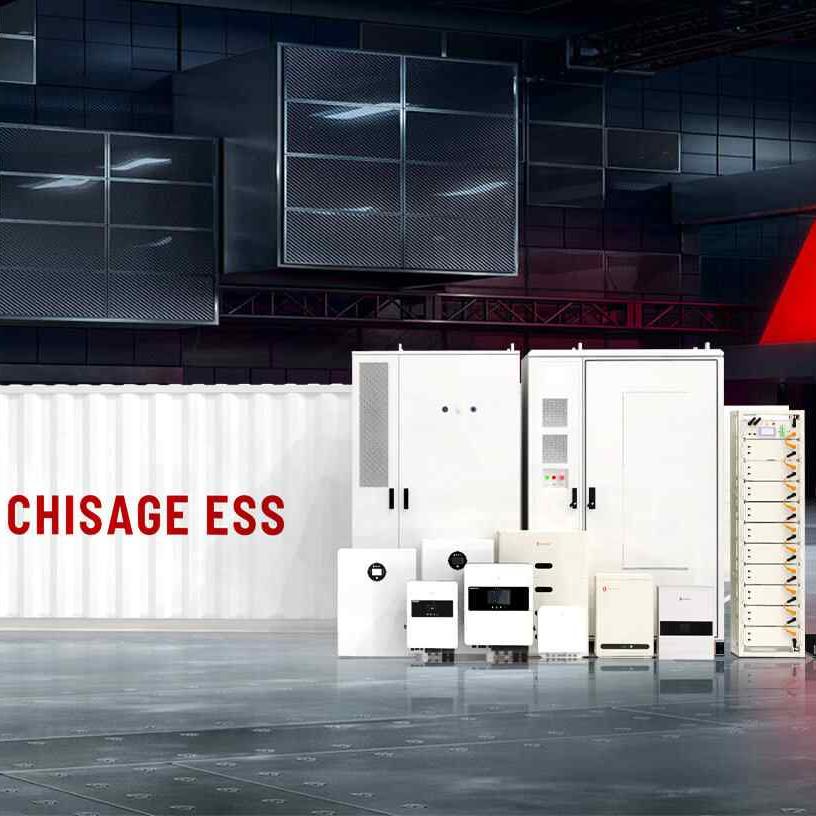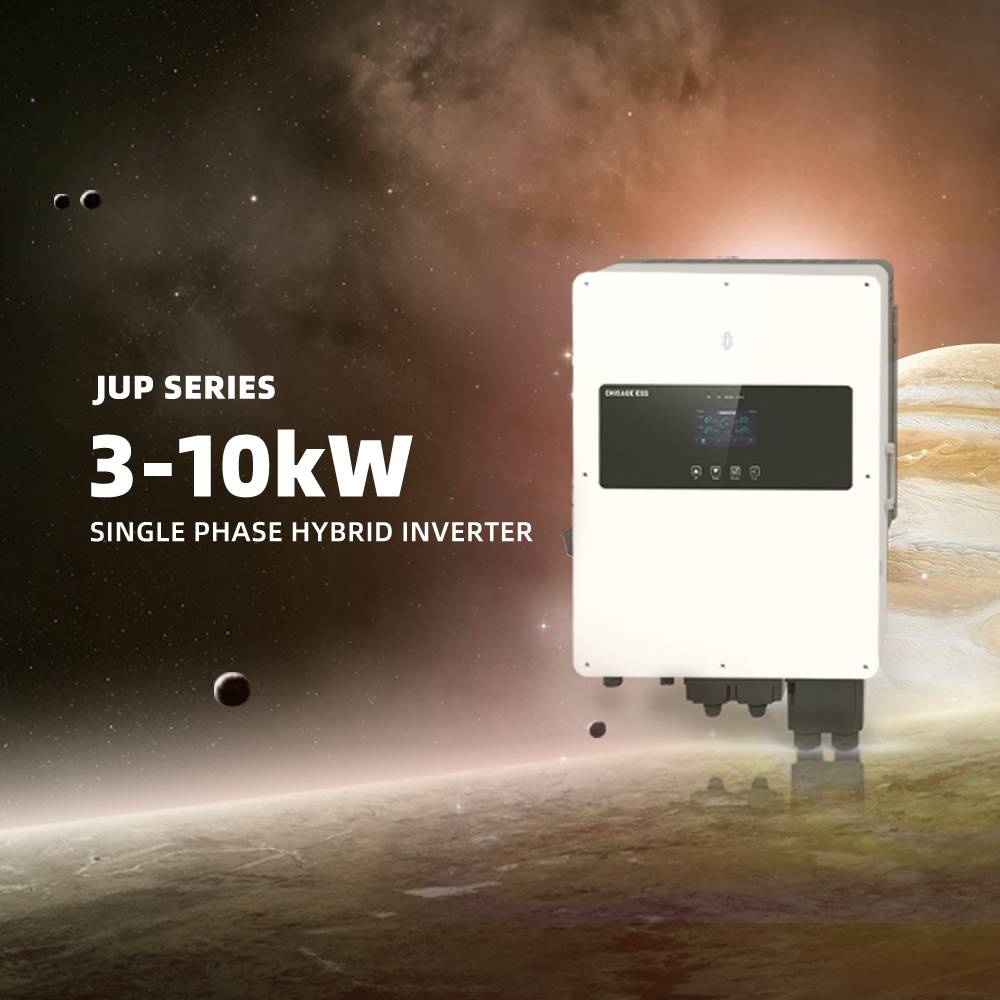
Introduction: Due to the volatility of photovoltaic power generation, energy storage batteries, as an efficient and flexible energy storage technology, are playing an increasingly important role in the future energy system. The energy storage battery assembly process is a key part of the production process, directly affecting the performance, lifespan, safety, and other aspects of the battery. What trials and tribulations has the Chisage ESS battery gone through? Let’s find out.
Production line overview
Chisage ESS has been operating in the solar battery market for many years and is committed to producing high-quality energy storage batteries. Lithium-ion batteries are currently the mainstream electrochemical energy storage technology in households. According to different cathode materials, lithium-ion batteries are mainly divided into lithium-cobalt batteries, lithium-manganese batteries, lithium-nickel batteries, lithium-iron phosphate batteries, ternary lithium batteries, and so on. Considering safety, stability, and cost-effectiveness, our company mainly produces lithium-iron phosphate batteries for households, industrial, and commercial use.
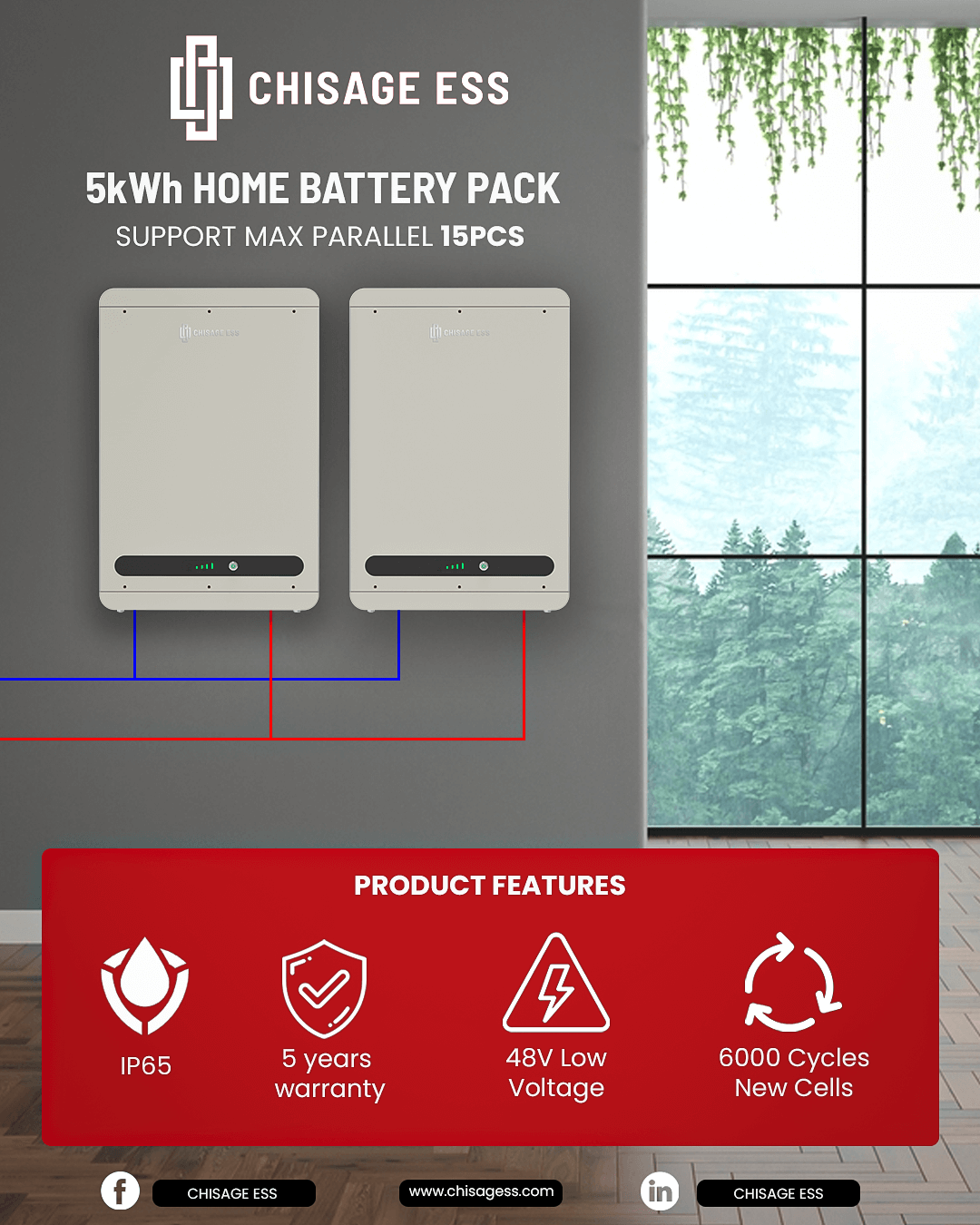
Residential batteries are mainly 100Ah, 200Ah and 300Ah low voltage batteries, including 5kWh rack-mounted battery packs, 5-10kWh wall-mounted battery packs, 5-20kWh stacked battery packs and 15kWh floor-mounted battery packs.
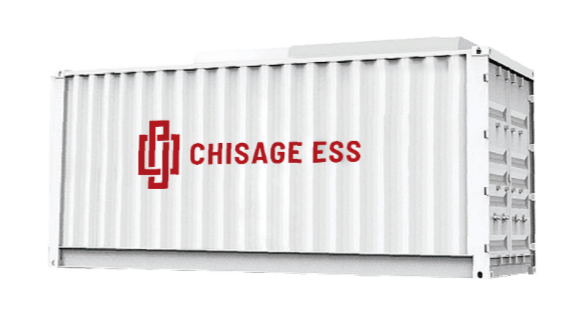
Industrial and commercial batteries mainly include 280Ah/0.5C battery packs and 100Ah/1C battery packs, which can reach a capacity of 50kWh to 1MWh by series-parallel connection; in addition, we also produce 372kWh liquid-cooled battery cabinets, which can reach a MWh utilization level by parallel connection to maximize the demand for industrial and commercial energy storage.
Process technology
The Chisage ESS battery production process consists of eight main stages: cell sorting, module stacking, code insertion and scanning, laser cleaning, laser welding, pack assembly, packaging testing, and packaging for storage. Now, following in the footsteps of Chisage ESS, our sales engineers are ready to take you on a virtual tour!
1. Cell Sorting
First, we conduct a preliminary inspection of the battery cells, using an OCV to measure whether the voltage is consistent and eliminate defective products. All our battery cells are made from new Class A cells with a single-cell voltage of 3.2V, and current battery production primarily includes 100Ah, 200Ah, and 280Ah capacities.
2. Arranging the modules
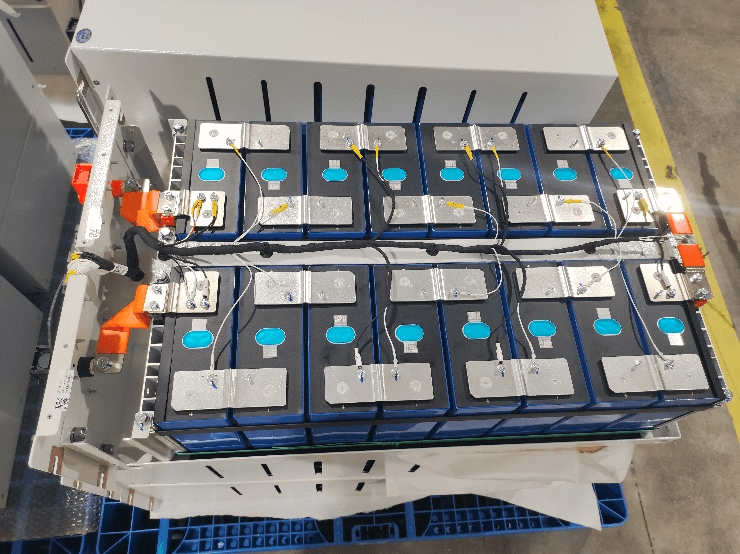
Use steel belts for pressing and packaging, form 8 cells into 1 module module, 2 modules into 1 box package, and distribute heat through channels and fans.

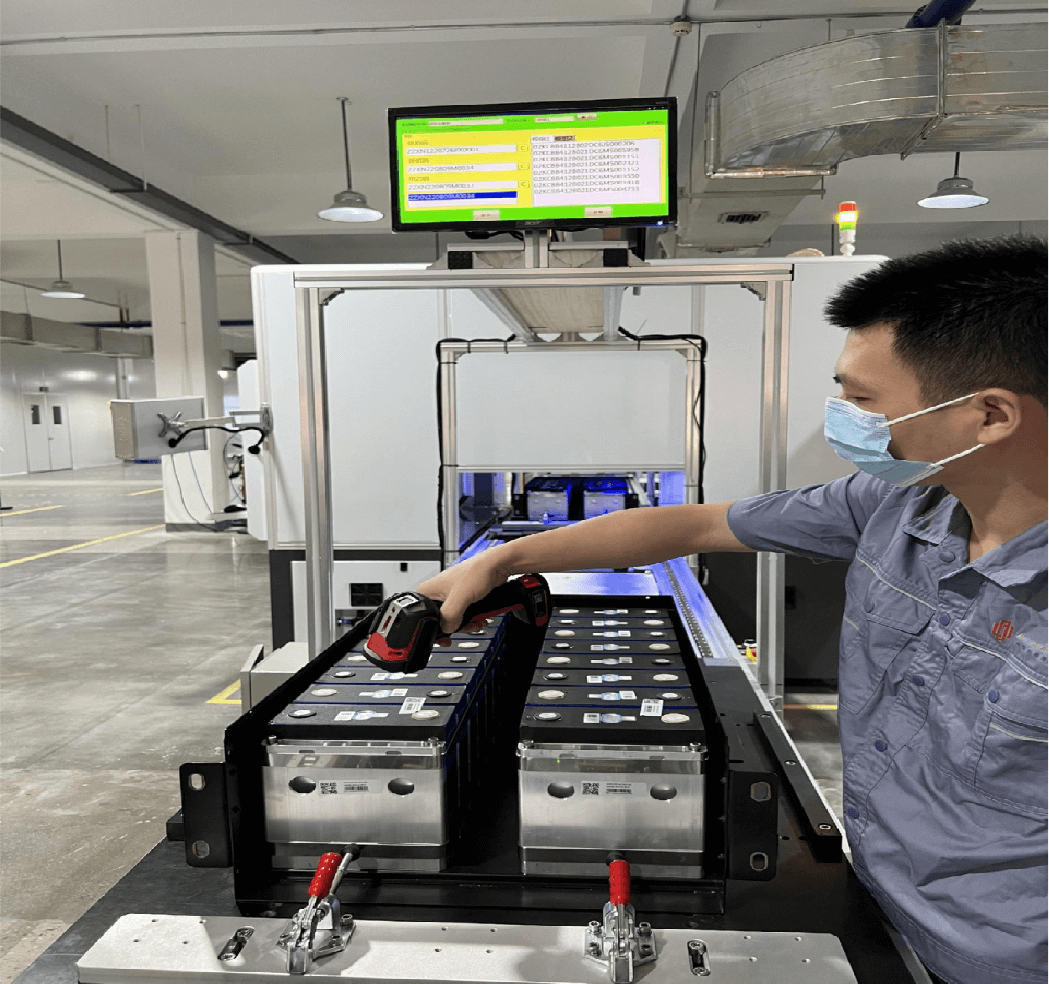
3. Pasting and scanning the code
The cell, module and packaging are marked with a QR code and scanned into the EMS system for registration, so that after-sales service can individually trace the production and testing information.
4. Laser cleaning
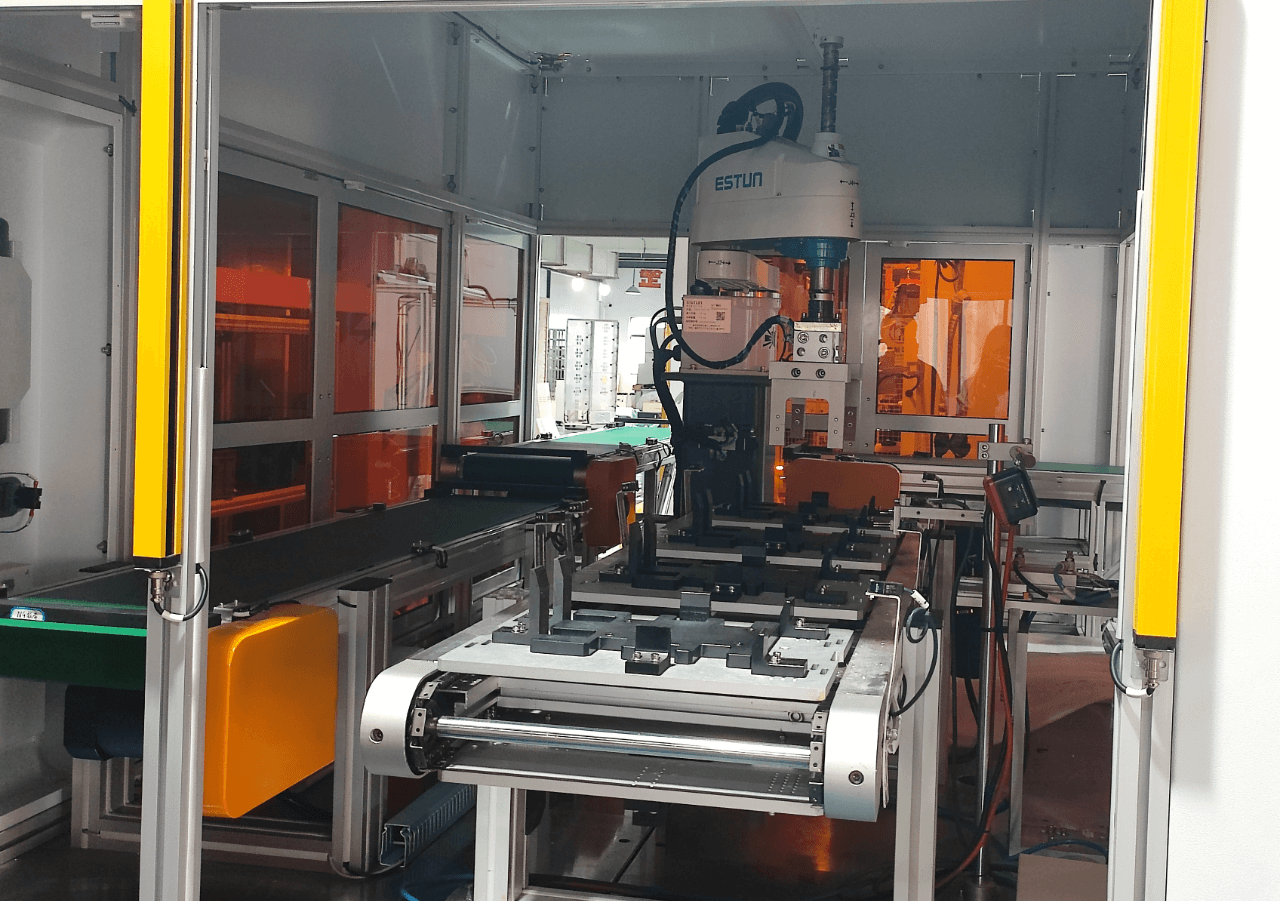
Aluminum oxide and dirt on the surface of the cluster core are cleaned by laser to prevent blowouts, false welds and insufficient penetration depth during soldering and to properly prepare for the next step, making soldering more reliable.

5. Laser welding
Laser welding is a highly efficient and precise welding method that uses a high-energy laser beam as the heat source. We use state-of-the-art German IPG lasers to prevent damage to the pressure relief valve caused by friction with the ultrasonic welding surface. After welding, the weld seam must also be manually checked for its integrity and any welding slag removed.

6. Packaging assembly
Install the protection board, module pressure strip, collecting beam, fan, BMS, etc., and then install the insulation board and cover to complete the whole assembly into the box, so that the overall function of the battery pack can be realized.
7. Testing the package
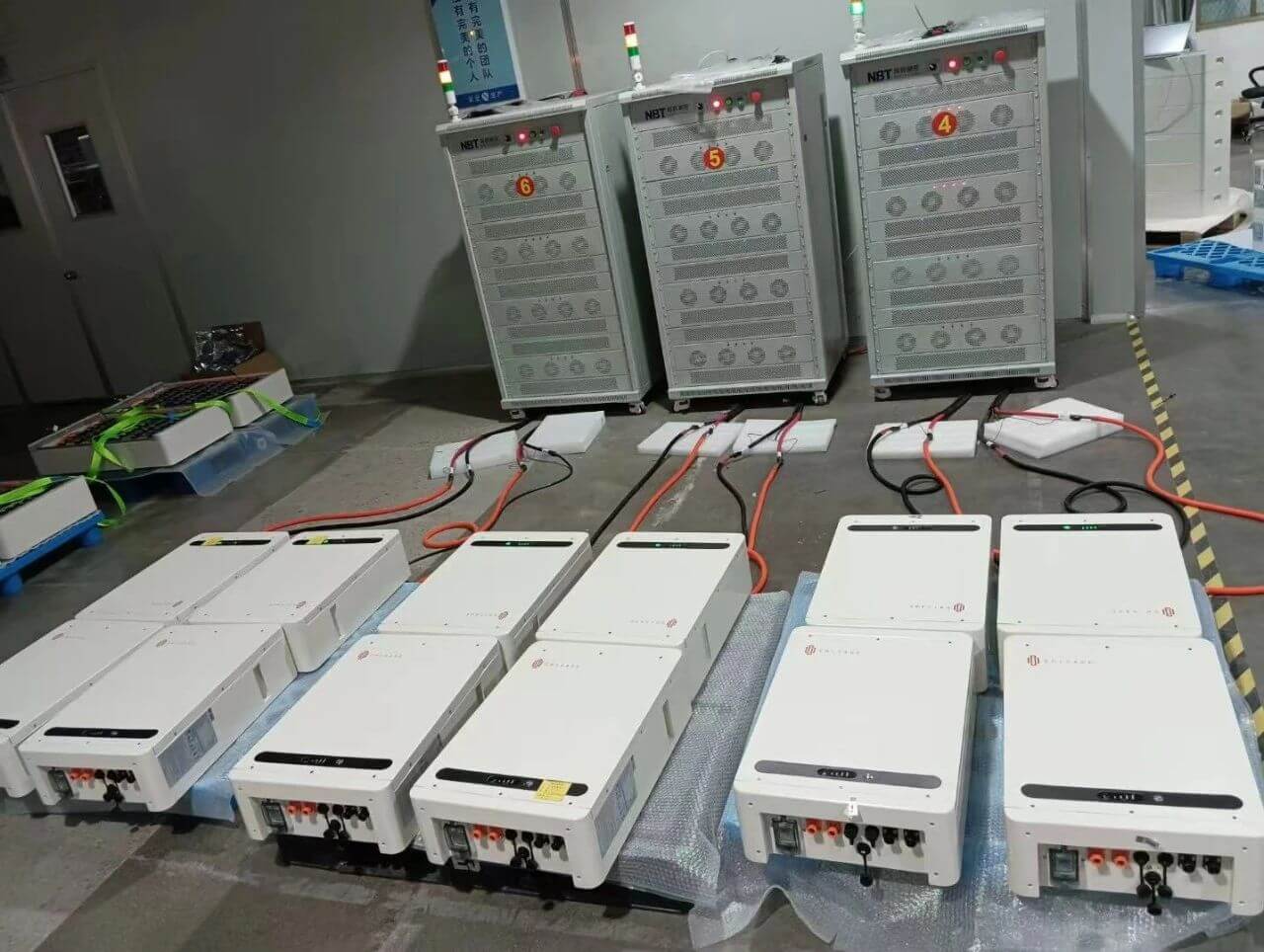
Our battery testing mainly includes insulation withstand voltage testing and charge/discharge testing. The insulation withstand voltage testing includes torque testing, cell voltage difference (maximum difference), coating insulation resistance testing (to prevent arc flash), etc. The charge/discharge testing refers to the repeated charging and discharging of the battery, usually 100 cycles, through the battery. Power attenuation calibration. SOC requirements for shipment.
8. Storage packaging
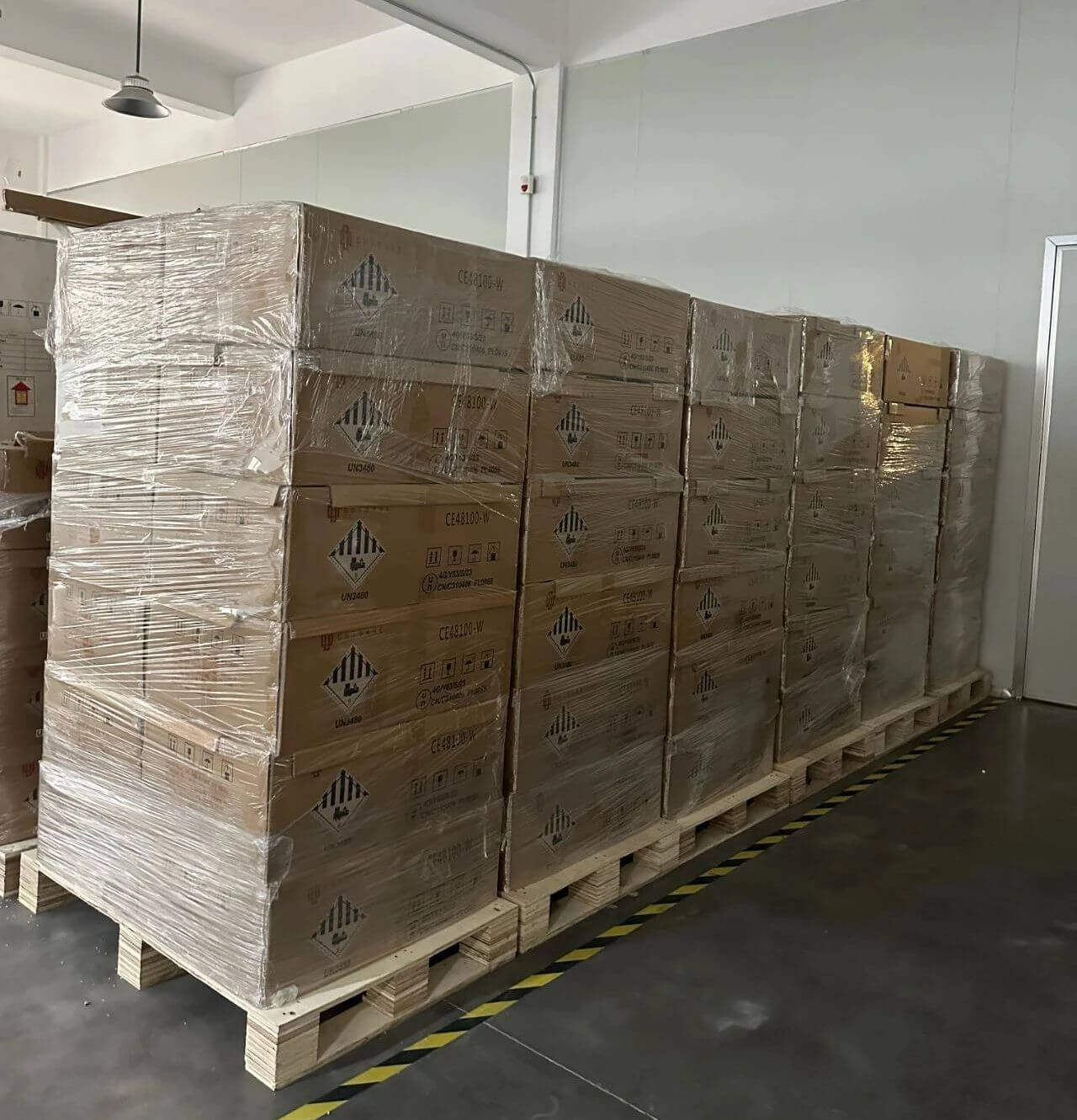
Once inspection is complete, the finished products can be palletized and placed in storage, with standard palletization consisting of one pallet containing 8 boxes for high voltage batteries and one pallet containing 12 boxes for low voltage batteries.
As technology continues to advance, the Chisage ESS battery process will continue to evolve and improve. We invite our global partners to join us in this dialogue and look forward to further innovative solutions and sustainability trends to meet the growing demand for clean energy in the future.